The Excitement of Uncertainty in the Gambling Arena
The Allure of Risk in Gambling
Gambling has an intrinsic appeal that draws individuals into the thrill of taking risks. The uncertainty involved in games of chance creates an adrenaline rush that is hard to replicate in any other recreational activity. Whether it’s the spin of a roulette wheel, the shuffle of cards, or the roll of dice, every moment in a gambling arena is filled with potential for unexpected outcomes. This unpredictability is what makes the experience exhilarating; it keeps players on edge, eager to see if fortune will favor them. Additionally, those who explore resources like the quotex broker can enhance their understanding of strategies that may help in these games.
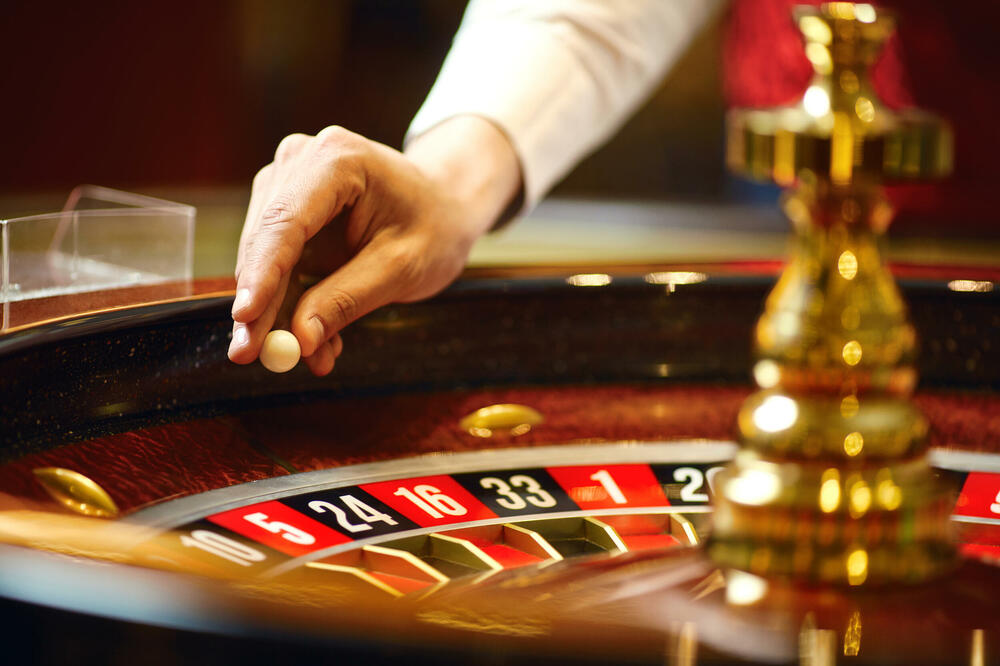
Moreover, the environment in which gambling takes place amplifies these feelings of excitement. Bright lights, the sound of coins clinking, and the atmosphere buzzing with anticipation all contribute to a unique ambiance that heightens the stakes. Each game not only represents a chance for financial gain but also serves as an opportunity for social interaction, as players engage with one another, celebrating victories and commiserating losses. This blend of risk and camaraderie enriches the overall gambling experience.
The Psychology Behind Gambling
The psychology of gambling reveals fascinating insights into why individuals are drawn to uncertain outcomes. Cognitive biases such as the illusion of control can make players believe they have influence over random events, deepening their commitment to the game. This psychological phenomenon can create a powerful narrative where individuals convince themselves they are on the verge of a winning streak, motivating them to continue betting despite the inherent risks involved. Understanding the thrill associated with азартні ігри is crucial in analyzing these patterns.
Additionally, the concept of loss aversion plays a significant role in gambling behavior. People often prefer to avoid losses rather than acquire equivalent gains, which can lead to a cycle of chasing losses. Understanding these psychological factors allows players to recognize their motivations better and approach the gambling experience with more awareness. By acknowledging the excitement that comes with uncertainty, gamblers can make more informed choices about their engagement.
The Role of Strategy and Skill
While gambling is often perceived as relying purely on chance, many games involve elements of strategy and skill. Games like poker and blackjack require players to employ tactics and make decisions that can influence their chances of winning. This element of skill adds another layer to the excitement of uncertainty, as players not only must contend with the random nature of the game but also the decisions of their opponents.
Even in games primarily based on luck, understanding the odds and employing various betting strategies can enhance the gambling experience. As players develop their skills and learn to navigate the unpredictable nature of games, they cultivate a sense of mastery that can further amplify their excitement. This combination of strategy and chance encapsulates the essence of what makes gambling an exhilarating pursuit.
Exploring the World of Gambling Online
The digital age has transformed how gamblers experience the thrill of uncertainty. Online platforms now offer a wide range of gambling opportunities, allowing players to engage from the comfort of their homes or on the go. These sites often provide a rich selection of games, from traditional favorites to innovative new options, catering to various preferences and styles.
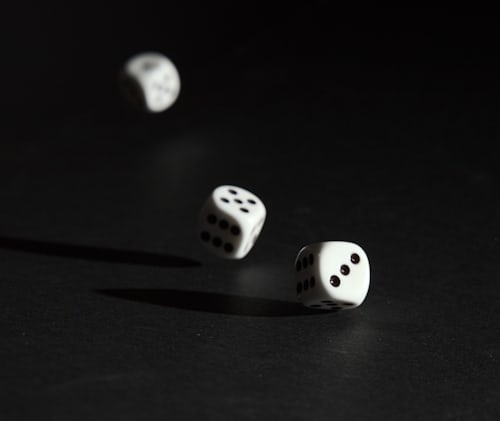
Online gambling also enhances the excitement of uncertainty through unique promotions and bonuses, which can elevate a player’s experience. With the integration of live dealer games, players can enjoy the ambiance of a physical casino while still enjoying the convenience of online play. This fusion of technology and gaming ensures that the allure of risk and reward continues to captivate audiences in the ever-evolving landscape of gambling.