In today’s fast-paced digital landscape, successful marketing requires not only creativity and strategy but also a diverse set of tools for marketers that can streamline processes and optimize results. As the marketing world continues to evolve, the right tools can make or break a campaign. This article delves into some of the essential tools every marketer should consider to improve their effectiveness and reach their goals.
1. Marketing Automation Tools
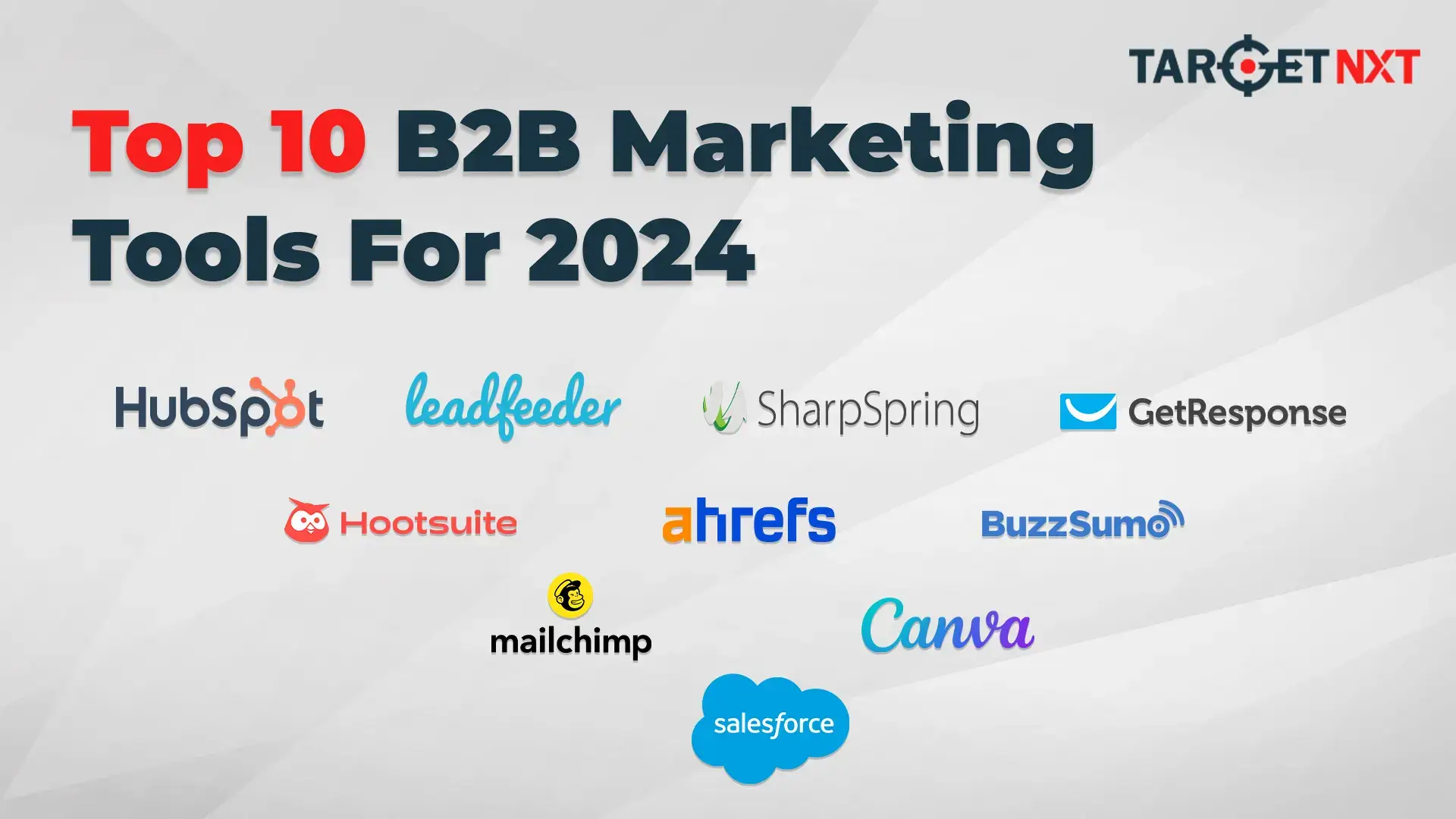
Marketing automation tools have revolutionized the way marketers operate. By automating repetitive tasks such as email marketing, social media posting, and ad campaigns, these tools help marketers save time and focus on more strategic activities. Popular choices include HubSpot, Marketo, and Mailchimp. These platforms often come with advanced analytics features that allow marketers to track engagement and optimize their campaigns based on real-time data.
2. Customer Relationship Management (CRM) Systems
A robust CRM system is essential for managing customer interactions and data throughout the lifecycle of a relationship with your brand. Tools like Salesforce, Zoho CRM, and Pipedrive provide marketers with the ability to track leads, monitor customer behavior, and personalize marketing efforts. A good CRM integrates with other marketing tools, enabling seamless communication across various digital channels.
3. Social Media Management Tools
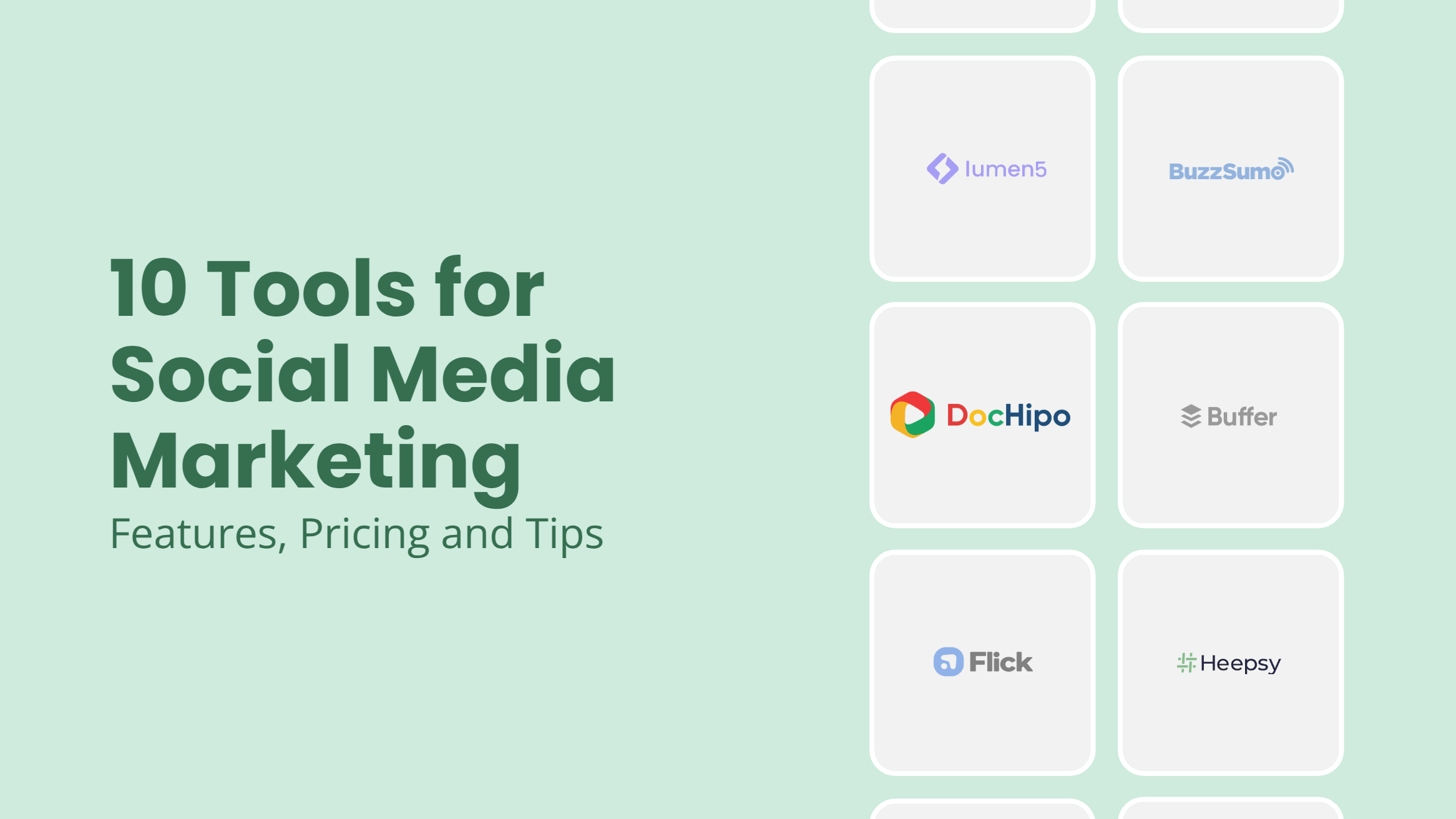
Social media is a crucial component of digital marketing. Managing multiple platforms can be overwhelming, which is where social media management tools such as Hootsuite, Buffer, and Sprout Social come into play. These tools enable marketers to schedule posts, analyze performance metrics, and engage with their audience across different channels from a single dashboard. By utilizing these tools, marketers can streamline their social media strategy and ensure a consistent brand voice.
4. SEO Tools
Search Engine Optimization (SEO) is vital for increasing visibility and driving organic traffic to a website. SEO tools such as SEMrush, Ahrefs, and Google Analytics provide insights into keyword rankings, site health, and competitive analysis. They enable marketers to optimize their content and improve their website’s search engine ranking. Using these tools, marketers can conduct thorough keyword research, analyze competitors, and generate reports on their website’s performance.
5. Content Creation Tools
Creating high-quality content is fundamental to attracting and retaining customers. Tools like Canva for graphic design and Grammarly for writing assistance help marketers produce visually appealing and grammatically correct content efficiently. Additionally, content management systems (CMS) like WordPress or Wix allow marketers to easily manage their website’s content, ensuring a user-friendly and optimized experience for visitors.
6. Analytics and Reporting Tools
Data-driven decisions are at the heart of successful marketing strategies. Tools like Google Analytics, Tableau, and Looker help marketers track user behavior, campaign performance, and ROI. By utilizing analytics tools, marketers can gain valuable insights into their audience’s preferences and make informed decisions to improve their strategies. These tools also support customizable reporting features, allowing marketers to present data in a visually appealing manner that resonates with stakeholders.
7. Email Marketing Tools
Email marketing remains one of the most effective channels for reaching customers directly. Tools such as Constant Contact, AWeber, and GetResponse specialize in creating, sending, and tracking email campaigns. These platforms typically offer segmentation features that enable marketers to tailor their messages to specific audience groups, thereby increasing engagement and conversion rates. Additionally, the analytics provided by these tools allow marketers to refine their email strategies continuously.
8. Project Management Tools
Effective marketing campaigns require collaboration among team members. Project management tools like Trello, Asana, and Monday.com help marketing teams stay organized and on track. These tools facilitate task assignment, deadline tracking, and communication among team members, ensuring that everyone is aligned with the campaign objectives. By fostering collaboration, project management tools enhance efficiency and help prevent bottlenecks in the workflow.
9. Influencer Marketing Platforms
Influencer marketing has exploded in recent years as a powerful tactic to reach targeted audiences. Platforms such as Influencity, Traackr, and Upfluence enable marketers to identify and collaborate wit
h influencers who align with their brand values. These tools help streamline the process of managing influencer relationships, tracking campaign performance, and measuring results to ensure optimal impact.
10. Webinar and Video Conferencing Tools
Webinars and video content have become essential for engaging today’s audiences. Tools like Zoom, Webex, and GoToWebinar facilitate real-time interactions with customers and prospects. These platforms can be used for live product demos, Q&A sessions, and educational content, positioning marketers as thought leaders in their industry. With built-in analytics, marketers can also measure attendance and engagement levels, providing insights for future opportunities.
Conclusion
The rapidly changing landscape of digital marketing requires marketers to leverage a variety of tools to stay competitive. Whether it’s automating tasks, managing customer relationships, or analyzing performance metrics, the right technology can significantly enhance marketing efforts. As the industry evolves, staying informed about the latest tools for marketers will empower professionals to make data-driven decisions, drive greater results, and ultimately achieve marketing success.