Understanding OFAC Regulations: Key Advice for Compliance
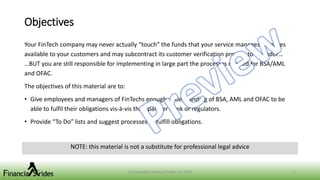
In today’s global economy, businesses often find themselves navigating complex compliance landscapes. The Office of Foreign Assets Control (OFAC) plays a crucial role in regulating international financial transactions and trade with countries, organizations, and individuals that the United States government has sanctioned. To avoid penalties and ensure smooth business operations, it’s vital for companies to seek advice on OFAC-related issues and implement robust compliance policies. This article outlines essential strategies and practices that businesses can adopt to navigate these regulations successfully.
What is OFAC?
The Office of Foreign Assets Control (OFAC) is an office of the U.S. Department of the Treasury that administers and enforces economic and trade sanctions based on U.S. foreign policy and national security goals. OFAC’s sanctions programs are often targeted at specific countries, entities, or individuals involved in terrorism, drug trafficking, or other activities that threaten the U.S. national security and foreign policy interests.
Why is OFAC Compliance Important?
Non-compliance with OFAC regulations can lead to severe consequences, including hefty fines and legal penalties. Companies found to be engaging in transactions with sanctioned entities may face civil and criminal liabilities. Therefore, understanding OFAC regulations and actively working to ensure compliance is crucial for businesses, not just to avoid fines but to maintain their reputations and secure their operational integrity.
Key Strategies for OFAC Compliance
1. Conduct Comprehensive Due Diligence
The foundation of any compliance program starts with thorough due diligence. Businesses should establish processes to vet customers, suppliers, and partners using OFAC’s Specially Designated Nationals and Blocked Persons List (SDN List). Regularly updating this information and utilizing screening tools will significantly minimize the risk of engaging with prohibited parties.
2. Implement a Robust Compliance Program
Every organization should develop a compliance program that clearly outlines the policies and procedures for adhering to OFAC regulations. This program should include:
- Employee training on OFAC regulations and the consequences of non-compliance.
- Internal controls to prevent transactions with sanctioned entities.
- A system for reporting potential violations.
3. Monitor Transactions Diligently
Regular monitoring of transactions is essential to identify any activity that may involve sanctioned individuals or entities. Automated screening tools can help businesses flag potentially problematic transactions in real-time, allowing for timely intervention and corrective actions.
4. Keep Abreast of Regulatory Changes
OFAC regulations are subject to change based on geopolitical events. Companies must stay informed about updates or modifications to sanctions lists, which may occur frequently. Subscribing to OFAC alerts and following industry news can help keep your compliance program relevant and effective.
5. Document Everything
Documentation is a vital part of any compliance program. Keeping detailed records of due diligence efforts, compliance training, and transaction monitoring can help demonstrate a company’s commitment to compliance. In the event of a review or investigation, having proper documentation can play a critical role in mitigating penalties.
Common Mistakes to Avoid
1. Assuming Compliance is a One-Time Effort
Many businesses make the mistake of viewing compliance as a one-time task rather than an ongoing commitment. Compliance with OFAC regulations requires continuous monitoring and adjustments to reflect changes in regulations and business operations.
2. Relying Solely on Automated Systems
While automation can significantly streamline compliance processes, it should not replace human oversight entirely. Employees should remain engaged in compliance efforts to ensure that automated systems are being used effectively and that red flags are addressed appropriately.
3. Ignoring Secondary Sanctions
Some companies assume they are safe from sanctions as long as they don’t directly engage with a sanctioned entity. However, secondary sanctions can apply if a business provides material support or services to sanctioned individuals or entities, leading to significant risks.
What to Do if You Suspect a Violation
If a company suspects it has violated OFAC regulations, it’s essential to take immediate action. Here are some steps to follow:
- Cease the transaction immediately to prevent further issues.
- Consult with legal counsel knowledgeable about OFAC regulations to assess the situation.
- Report the potential violation to OFAC as required by regulations.
Conclusion
In summary, compliance with OFAC regulations is crucial for any business engaged in international trade or transactions that could potentially involve sanctioned parties. By implementing comprehensive compliance strategies, conducting thorough due diligence, and staying informed about regulatory changes, businesses can significantly reduce their risk of violating OFAC regulations. Remember, the key is proactive engagement rather than reactive measures, ensuring that compliance is treated as an integral aspect of your business operations. By doing so, you not only safeguard your organization from penalties but also contribute to the broader goal of maintaining the integrity of the financial system.