Understanding the psychological effects of gambling on decision-making behavior
The Nature of Gambling and Its Appeal
Gambling captivates individuals due to its inherent thrill and the potential for financial gain. The uncertainty surrounding outcomes—whether it be a spin of the roulette wheel or the roll of dice—creates an adrenaline rush that can be intoxicating. This excitement often leads to impulsive decisions, as players may chase losses or become overly optimistic about winning. Understanding the psychological roots of this allure can provide insights into why people frequently engage in gambling activities despite the risks involved. Many consider college football betting sites to enhance their gaming experiences, further complicating their decisions.
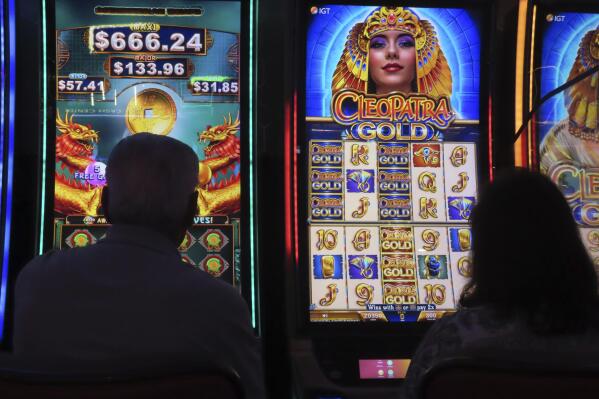
Moreover, the social aspects of gambling contribute significantly to its appeal. Casinos and betting environments often serve as social hubs, where individuals bond over shared experiences and celebrations of wins. The collective excitement can skew decision-making, leading to groupthink and a heightened sense of confidence. This social dynamic can reinforce a gambler’s behavior, making it even more challenging to rationalize the risks and potential negative consequences.
The role of cognitive biases, such as the illusion of control, also plays a critical part in gambling behavior. Gamblers may believe they can influence outcomes through their choices or strategies, further intensifying their engagement. These biases can distort reality and lead to decisions that are not aligned with objective probabilities, making individuals more susceptible to continued gambling despite mounting losses.
The Psychological Mechanisms at Play
Various psychological mechanisms underlie the decision-making processes in gambling. One key factor is the concept of reward anticipation, which is rooted in the brain’s reward system. When a person gambles, the prospect of winning triggers the release of dopamine, a neurotransmitter associated with pleasure and motivation. This biochemical response not only reinforces the gambling behavior but also clouds judgment, making it difficult to make sound decisions based on rational analysis.
Additionally, the phenomenon of reinforcement schedules plays a pivotal role in gambling’s allure. Variable ratio reinforcement, where rewards are delivered unpredictably, keeps players engaged longer. This uncertainty of reward makes the decision to gamble feel more like a gamble in itself, where each bet could potentially lead to a significant win. Consequently, individuals may overlook their previous losses, focusing instead on the thrill of what might happen next.
Another psychological mechanism at work is the concept of escapism. Many individuals turn to gambling as a means to escape daily stresses or emotional turmoil. This behavior can lead to compulsive gambling, where the individual continues to gamble not only for enjoyment but to alleviate negative feelings or cope with life’s challenges. This cycle can further deteriorate their decision-making abilities, as the drive to escape often overshadows logical considerations.
Cognitive dissonance—a psychological phenomenon where individuals experience discomfort due to conflicting beliefs—plays a significant role in gambling behavior. For example, a gambler may recognize the statistical unlikelihood of winning yet still continue to gamble. This internal conflict can lead to justifications for continued play, such as believing that they are “due” for a win. Such rationalizations can cloud objective judgment and lead to poor decision-making.
Moreover, cognitive dissonance often results in selective memory, where gamblers tend to remember their wins more vividly than their losses. This bias reinforces their gambling behavior, as they may convince themselves that winning is more common than it actually is. This selective recall can distort their understanding of risk and reward, making it more challenging to disengage from gambling activities.
The implications of cognitive dissonance extend beyond individual decision-making; they can also influence social interactions. Gamblers may seek out like-minded individuals who share their beliefs, further entrenching their behavior. This social reinforcement can create an echo chamber, where risky decision-making is normalized and the individual feels justified in their continued gambling, despite the negative consequences.
The Consequences of Gambling Behavior
The psychological effects of gambling extend into various areas of life, leading to significant consequences for individuals and their relationships. Financial instability is one of the most immediate results of problematic gambling. As individuals chase losses or attempt to recover their investments, they often jeopardize their financial well-being, leading to debt and financial crises. This situation can create additional stress and further impair decision-making abilities, trapping individuals in a vicious cycle.
Beyond financial implications, gambling can severely impact personal relationships. Loved ones may experience frustration, anger, or concern over the gambler’s behavior, leading to strained relationships and isolation. The inability to prioritize interpersonal connections over gambling can alienate individuals from their support systems, leaving them even more vulnerable to continuing their harmful habits.
The emotional toll of gambling cannot be overstated. Many individuals experience feelings of guilt, shame, or anxiety due to their gambling behavior. This emotional distress can result in a decline in overall mental health, leading to issues such as depression or anxiety disorders. As these psychological problems escalate, they can impair decision-making even further, perpetuating the cycle of gambling and its associated risks.
Resources and Support Systems
Understanding the psychological effects of gambling is crucial for both individuals and their loved ones. For those struggling with gambling addiction, seeking help is essential. Numerous resources are available, including counseling services and support groups designed to address gambling issues. These programs often provide valuable tools for recognizing harmful patterns and developing healthier coping strategies.
Education and awareness play a vital role in prevention as well. By understanding the psychological mechanisms that drive gambling behavior, individuals can make more informed choices about their engagement with gambling activities. Resources that provide insights into gambling psychology can empower individuals to recognize when their behavior may be shifting toward problematic patterns.
Additionally, it’s important for the gambling industry to promote responsible gaming practices. Establishing guidelines and resources for safe gambling can help mitigate the risks associated with gambling. By fostering an environment that prioritizes player well-being, the industry can contribute to healthier decision-making behavior among gamblers.

Conclusion and Future Insights
The complex interplay of psychological factors in gambling significantly influences decision-making behavior. By understanding these mechanisms, individuals can better navigate the risks associated with gambling. As we move forward, continued research and education in this area will be essential for promoting responsible gambling practices and supporting individuals in making healthier choices.
Our platform is dedicated to providing insights and resources to help individuals make informed decisions about gambling and betting. Whether you’re seeking information on gambling psychology, support options, or responsible gambling practices, we aim to empower you with the knowledge needed for a safer gambling experience. Join us as we explore these critical topics and work towards fostering a healthier gambling landscape.
“`